Every generation of skating has those names that get repeated with a certain tone. Not just “he was good,” but more like, “you had to see it.”
Phil Shao is one of those names.
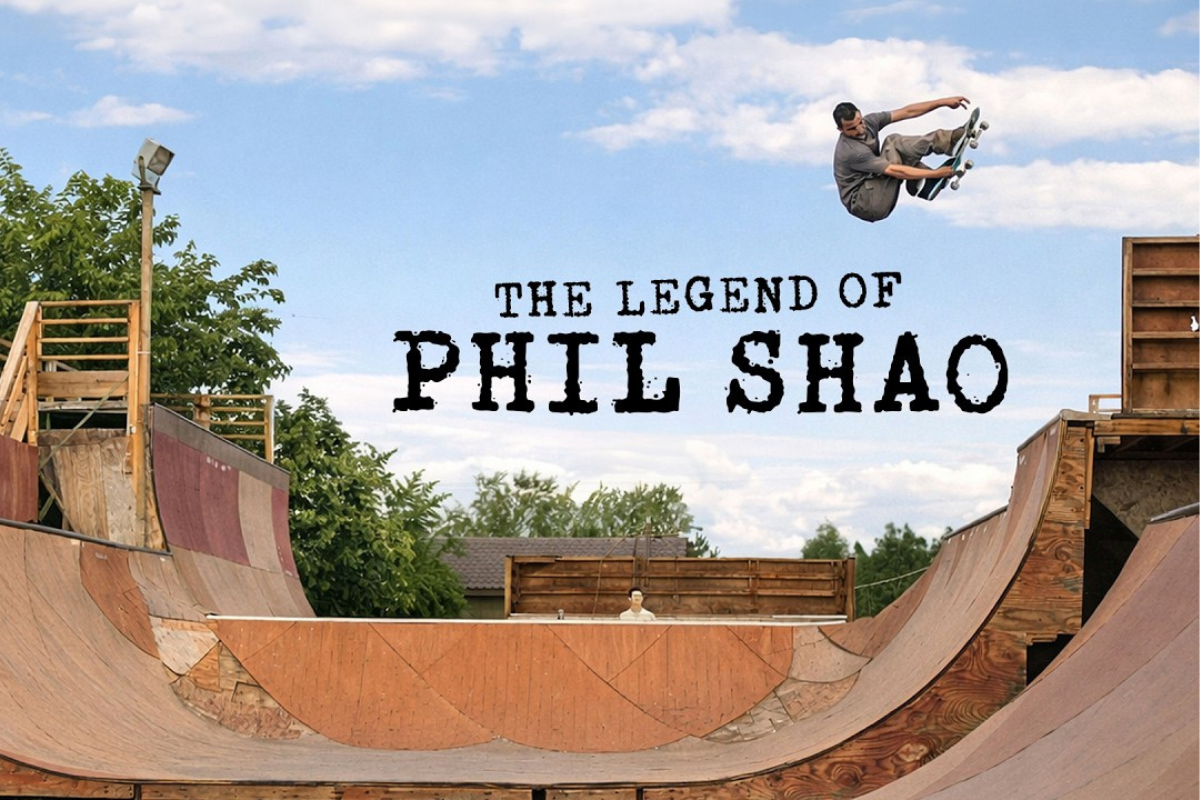
For skaters who were around in the early-to-mid ’90s, Shao had a reputation for being able to skate absolutely everything. Vert ramps, bowls, pools, ledges, banks, weird DIY transitions, big transfers—none of it seemed out of reach. The new documentary The Legend of Phil Shao digs into why so many people from that era still talk about him like he was operating on another level.
And for a lot of younger skaters, this might be the first time they’re hearing his story at all.
Watch the Full Doc Here:
The documentary revisits a skater who could do it all
The film pulls together interviews from friends, teammates, photographers, and filmers who were around during Shao’s rise in Northern California skating.
It traces his path from early vert contests and local sessions around Redwood City and Stanford, through his time riding for Confusion Skateboards, and eventually landing on Think Skateboards—a team built around skaters who could handle any terrain you put in front of them.
By the mid-’90s, Shao had built a reputation as one of the most well-rounded skaters in the van. One minute he’d be skating Greer Park, the next he’d be blasting airs on a vert ramp, and later in the same day he’d be figuring out some technical ledge trick nobody else had thought of yet.
That kind of versatility wasn’t common as street skating started getting more specialized in the ’90s. Shao came from the vert world, but when street skating exploded, he adapted instantly—without losing the power and flow that made him dangerous on transition.
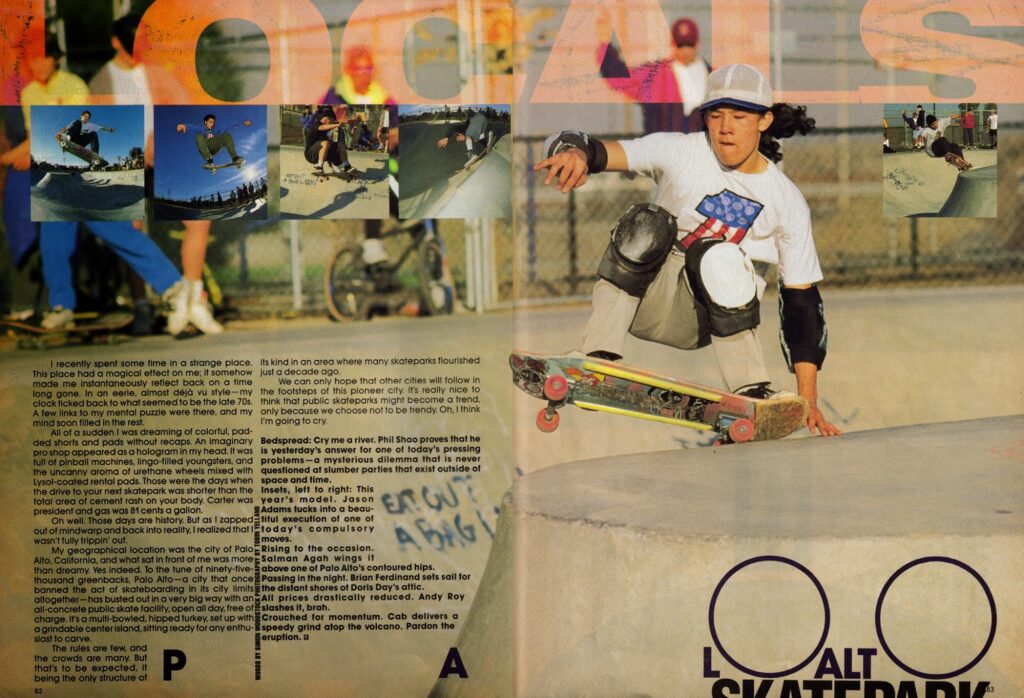
Photo: Place Holder / @Placeholder
The tricks and spots that built the legend
The documentary revisits a lot of the moments older skaters still bring up when Phil’s name comes up.
There’s the Fort Miley top-rail grind that landed him the July 1996 Thrasher cover, one of the most talked-about photos of the era. The setup is brutally tight, with almost no room between the bank and the rail, meaning you basically have to ollie straight up to get on it.
Then there are the sessions at China Banks, where Shao started stacking tricks on the upper ledges—progressing from grinds to tailslides and eventually pulling a front tailslide to fakie on terrain that barely seems skateable in the first place.
The film also digs into clips from Think videos like “Damage” (1996) and “Dedication” (1998), along with footage from Emerica’s “Yellow.” In all of it, the same thing stands out: Shao never looked forced. Everything flowed. Big stuff, tech stuff, transition lines—it all connected.
That’s why people from that era constantly describe him the same way: someone who could skate anything and make it look natural.
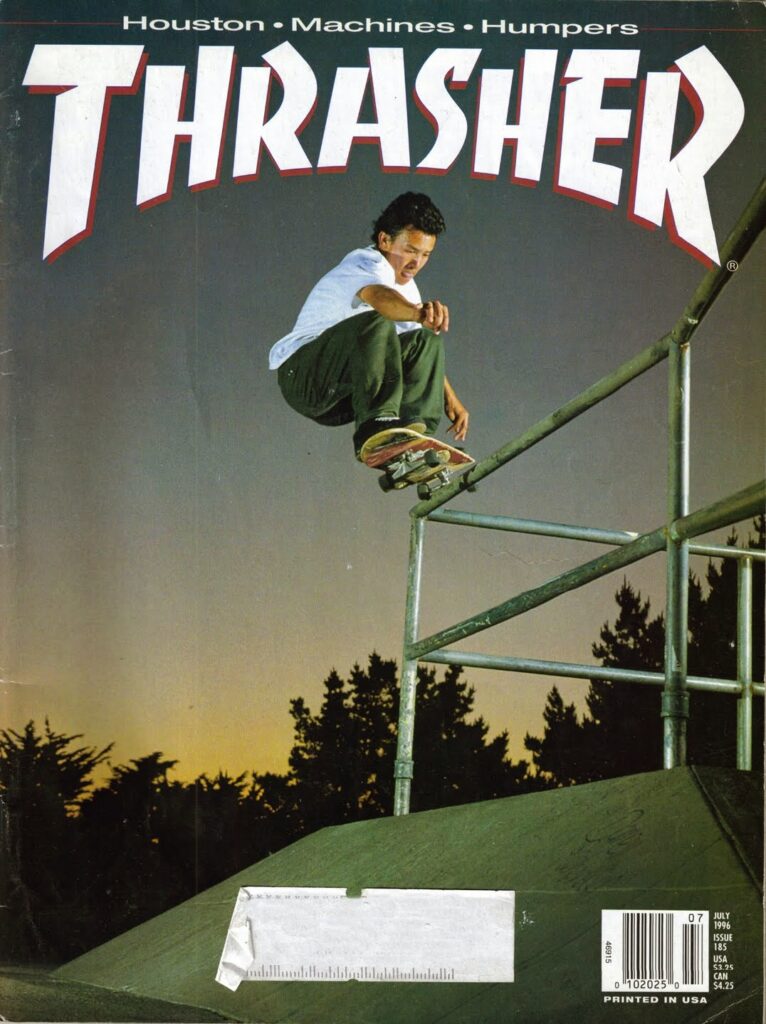
Photo: Thrasher Magazine
More than just a great skater
One thing the documentary makes clear is that Shao wasn’t just respected for his skating.
He was known as one of the smartest guys in the van. While skating professionally, he was also attending UC Berkeley, where he earned an English degree. Eventually he began working at Thrasher Magazine as a copy editor, and many people around the mag believed he was on track to eventually become its next editor.
It’s a part of his story that adds another layer to the legacy. Phil wasn’t just shaping skateboarding on his board—he was likely going to help shape it behind the scenes too.
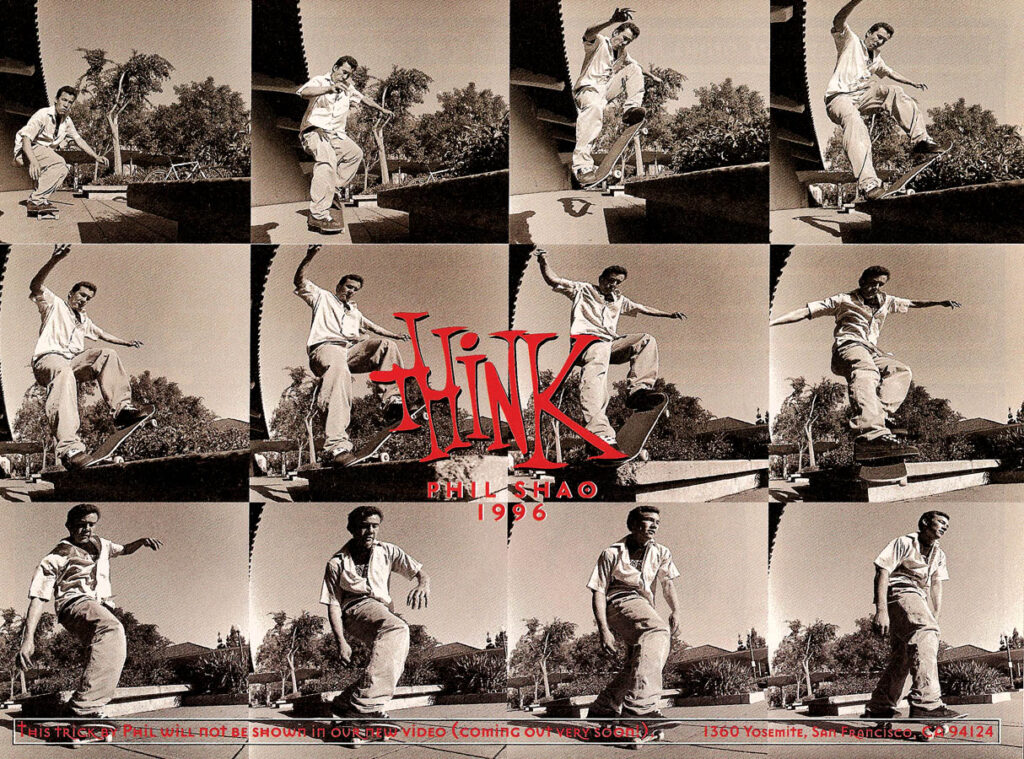
Photo: Place Holder / @Placeholder
The loss that shook the skate world
In August 1998, while on a skate trip along the West Coast, Shao was killed in a car crash after accepting a ride from a driver who had been drinking. He was just 24 years old.
For the people who knew him, the loss hit hard. Friends, teammates, and people at Thrasher have spoken about how deeply it affected them and how different things might have been if he had lived longer.
The documentary doesn’t shy away from that part of the story, but it ultimately focuses on why Phil Shao is still remembered almost three decades later.
A legend a lot of skaters are just now discovering
The truth is, most skaters today probably didn’t grow up hearing Phil Shao’s name.
If you started skating in the 2000s or later, you likely missed his era entirely. His video parts weren’t circulating on Instagram or TikTok, and the photos that defined him lived mostly in old magazines and VHS tapes.
That’s part of what makes The Legend of Phil Shao important.
It’s not just nostalgia for the people who were there. It’s a chance for a newer generation to see why older skaters still talk about him the way they do.
Once you start watching the footage—Greer sessions, Fort Miley clips, China Banks tricks, Think video parts—you begin to understand why his friends describe him as someone who could skate anything and make it look effortless.
And why, nearly thirty years later, his name still comes up whenever skaters talk about the best all-terrain rippers of that era.